

If you've ever hauled material in a tipper semi-trailer in a cold climate, you've probably wondered: can this heavy-duty workhorse actually hold up in freezing temperatures? As a supplier who's spent the last decade working alongside construction, mining, and agricultural teams in places with brutal winters-from the frozen plains of northern Canada to the snow-dusted roads of Minnesota-I can tell you the answer isn't a simple "yes" or "no." It's a matter of preparation, the right equipment, and knowing how to tweak your operations to keep these trailers running when temperatures plummet.
Let's start with the core of how a tipper semi-trailer works: the hydraulic system. That's the engine behind lifting the bed to dump gravel, coal, or grain, and it's also the most vulnerable part in cold weather. Hydraulic fluid is a viscous substance, and when temperatures drop below 32°F (0°C), it thickens like molasses. If you try to lift a frozen bed with unconditioned fluid, you're looking at strained pumps, bent hoses, or even a complete hydraulic failure mid-haul. I've seen first-hand what happens when a driver shows up to a job site in January with a standard hydraulic setup: the fluid is so thick, the trailer barely tilts a few inches, leaving a pile of material stuck in the bed and a costly delay.
That's why we've designed our lineup to address this exact issue. For example, our Hydraulic Tipper Truck Trailer comes with a heated hydraulic reservoir and cold-weather-grade fluid (formulated to stay fluid down to -40°F/-40°C) as a standard feature, not an add-on. This might seem like a small change, but it's the difference between a trailer that works in winter and one that's stuck in the yard until spring. We also recommend regular fluid checks-cold weather causes seals to contract, so even minor leaks that aren't a problem in summer can turn into major losses when temperatures drop.
Next up is the trailer bed itself. This is where the material you're hauled interacts with the cold, and frozen material is one of the biggest headaches for tipper operators. Wet sand, gravel, or even feed can freeze solid to the bed, making dumping impossible. I remember a customer working in a remote mining site in Alberta last year told me he lost 12 hours of production because 20 tons of frozen peat moss was stuck to his trailer bed. He was using a standard flat-sided tipper, which gives the frozen material plenty of surface area to cling to. That's why we engineered our U Shape Tipper Semi Trailer with smooth, curved sides that reduce the amount of contact area between the bed and hauled material. The curved design also helps the frozen material slide more easily when the bed tilts, and we add a thin layer of rust-resistant, low-friction coating to the interior that further prevents sticking. For mining operations specifically, our Mining Tipper Trailer has reinforced steel beds with extra anti-stick coating, built to handle not just frozen rock but the abrasive nature of winter hauling on icy roads.
Road conditions in cold weather add another layer of challenge. Ice, snow, and slush increase stopping distances, and the added weight of snow and frozen material on the trailer means more stress on brakes, tires, and suspension. I always advise customers to adjust their hauling schedules in winter: don't rush to get to a job site, keep speed low on icy roads, and avoid heavy stops that can jolt the trailer. One mistake I see new tipper operators make is overloading in winter-extra weight on a frozen road can lead to skids or even trailer damage. Our Tipper Rear Dump Semi-Trailer has a built-in load sensor that alerts drivers when they're approaching the maximum safe weight for cold-weather roads, a feature that's saved our customers from countless accidents and fines.
Tire maintenance is another critical part of cold-weather operation. Standard tires get hard and brittle in freezing temperatures, which increases the risk of blowouts. We recommend switching to winter-rated tires with deeper treads for better traction on ice and snow, and keeping tires inflated to the manufacturer's recommended pressure-cold air causes tires to deflate, which reduces fuel efficiency and puts more strain on the suspension. Last winter, a customer in North Dakota called us panicking because he'd had three tire blowouts in a week; switching to our recommended winter tire set solved the problem immediately.
It's not just mechanical parts that need attention-operator training plays a big role too. Even the best-equipped trailer won't perform well if the driver doesn't know how to use it in cold weather. For example, we teach our customers to warm up the hydraulic system for 3 to 5 minutes before each haul, not just hit the lift switch as soon as they start the engine. We also advise not dumping immediately after lifting: giving the bed a few extra seconds to flex can break up any frozen material that's starting to stick. This might sound like small steps, but over a winter season, these habits reduce maintenance costs and downtime drastically.
I should also mention that not all tipper trailers are created equal when it comes to cold weather use. Older models that were built with basic hydraulic systems and standard steel beds might struggle in freezing temperatures, but with the right upgrades, they can still work. For example, adding a heated hydraulic reservoir and anti-stick coating to an older trailer can turn it into a reliable winter workhorse. That's why we offer retrofit services for customers who don't want to invest in a new trailer right away-we can outfit their existing equipment with the cold-weather features they need.
Let's talk about real-world performance. A construction company in Michigan that's been using our trailers for six years recently shared a stat that stuck with me: since they started using our cold-weather optimized tippers, their winter downtime dropped by 75%, and their annual maintenance costs went down by $12,000. They haul salt for road departments in the winter, and before our trailers, they'd lose 2 to 3 days a month to frozen salt sticking to the bed and hydraulic issues. Now, they make every haul on schedule, even when temperatures drop to -20°F.
Another example: a mining operation in northern Saskatchewan uses our Mining Tipper Trailer to haul ore and waste rock year-round. In the winter, they're working 12-hour shifts in temperatures that often hit -30°F, and they haven't had a hydraulic failure in three years. The key, they told us, is sticking to a regular maintenance schedule: changing hydraulic fluid every 6 months (even if it's not fully used up), checking hoses for cracks after each haul, and keeping the trailer bed clean of snow and ice when it's not in use.
Of course, there are limits. If you're working in temperatures below -40°F (which is rare but possible in the Arctic), even the best fluid and heated systems will eventually struggle. But for the vast majority of cold climates-where temperatures stay between 0°F and 50°F in winter-a properly equipped and maintained tipper semi-trailer is not just usable, it's efficient.
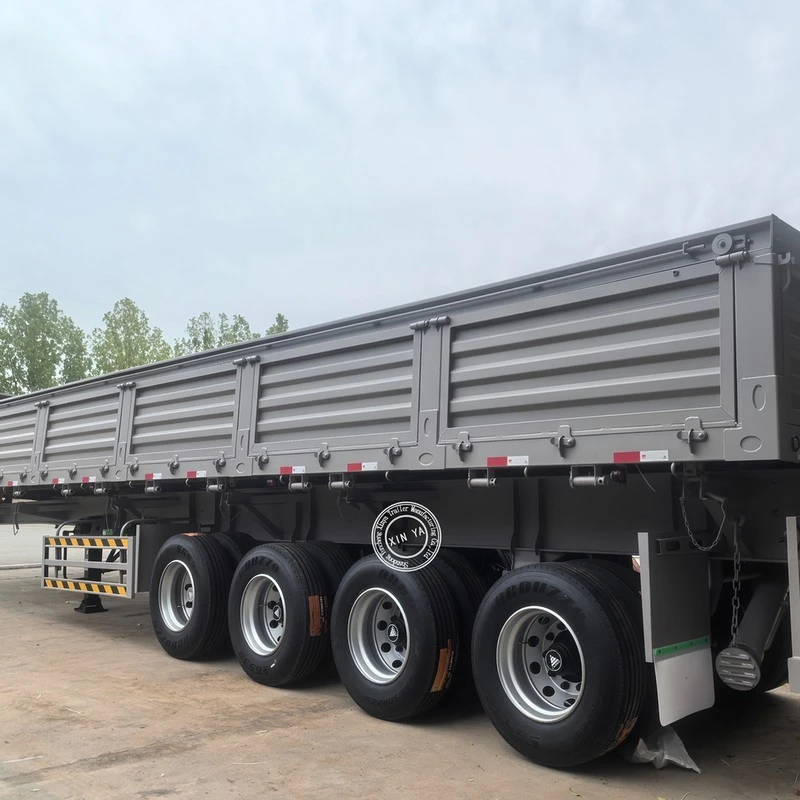
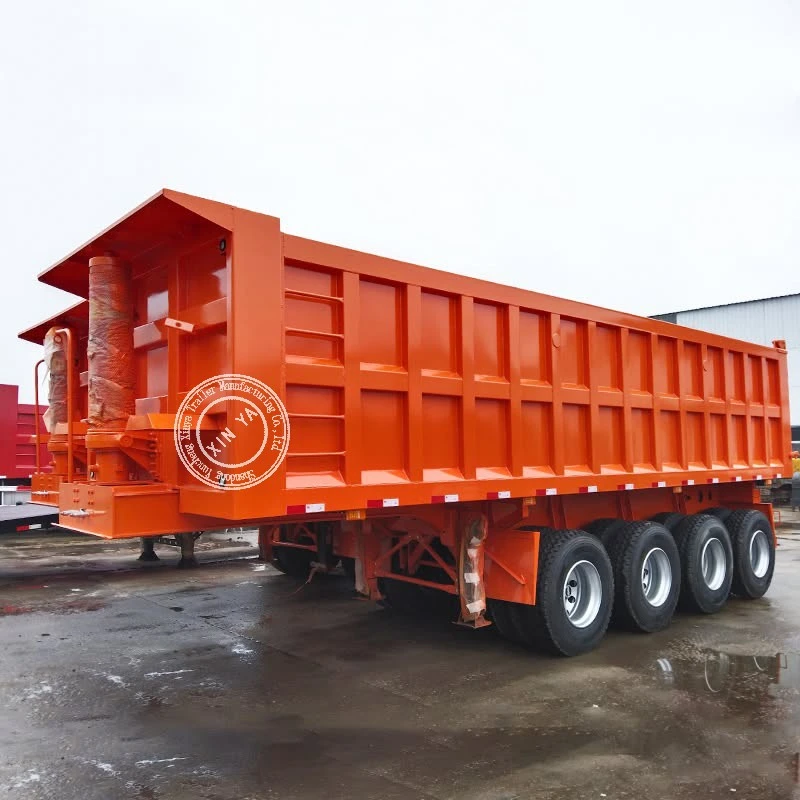
Now, if you're thinking about whether your current trailer can handle cold weather, or if you're in the market for a new tipper semi-trailer optimized for winter use, let's connect. We've worked with hundreds of companies across North America and beyond to tailor solutions to their specific cold-weather challenges, whether they're hauling construction materials, mining products, or agricultural goods. We can help you choose between our Hydraulic Tipper Trailer for general construction, our U Shape Tipper Semi Trailer for material that tends to stick, our Tipper Rear Dump Semi-Trailer for jobs that require precise dumping, or our specialized Mining Tipper Trailer for the toughest winter conditions.
If you've been dealing with frozen material stuck to your bed, hydraulic failures mid-haul, or costly winter downtime, we're here to help. We don't just sell trailers-we partner with our customers to make their operations run smoothly, no matter the temperature. Whether you need a custom retrofit for your existing equipment or a new trailer built from scratch with cold-weather features, our team has the expertise to get the job done.
If you're ready to discuss your needs and find the right tipper semi-trailer for cold-weather operation, reach out to our team to start the conversation. We're here to answer your questions, share more case studies, and help you make the best choice for your business this winter and beyond.
References
- National Association of Heavy Equipment Manufacturers. "Cold Weather Operation Guidelines for Commercial Trailers." 2022.
- International Organization for Standardization (ISO). "Performance Requirements for Hydraulic Systems in Low-Temperature Environments." ISO 10268:2021.
- North American Tire and Rim Association. "Winter Tire Maintenance Guidelines for Heavy-Duty Trucks and Trailers." 2023.
- Construction Mining Equipment Association. "Seasonal Adjustments for Tipper Trailer Operations in Cold Climates." 2022.


