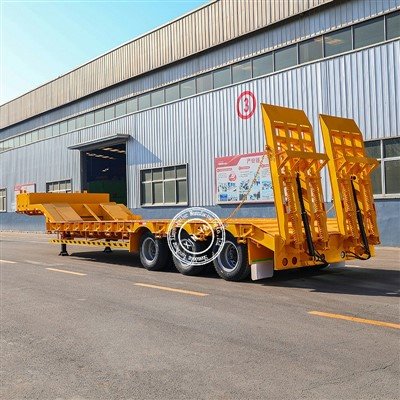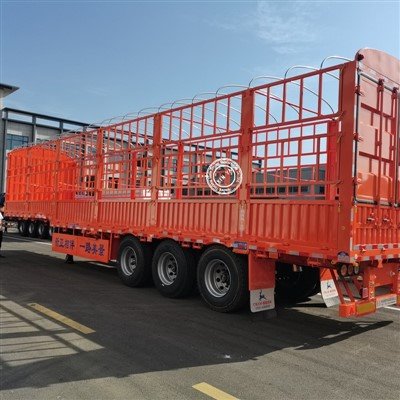
Hey there, fellow fence trailer enthusiasts! I'm a supplier in the fence trailer game, and today I'm gonna walk you through the process of replacing the axles on a fence trailer. It might sound a bit daunting, but with the right tools and a bit of know - how, you'll have those axles swapped out in no time.
Why Replace Axles?
First off, you might be wondering why you'd even need to replace the axles on your fence trailer. Well, axles can wear out over time due to constant use, rough roads, and heavy loads. Signs that your axles might need replacing include uneven tire wear, strange noises coming from the wheels, or if the trailer sways more than it should while you're driving. If you notice any of these issues, it's probably time to take a closer look at those axles.
Tools You'll Need
Before you start the axle replacement process, make sure you've got all the necessary tools. Here's a list of what you'll need:
- Jack and jack stands: You'll need these to lift the trailer off the ground safely.
- Socket and wrench set: To remove the nuts and bolts holding the old axle in place.
- Axle puller: This will help you remove the old axle from the trailer.
- New axles: Make sure you get the right size and type for your fence trailer. You can check your trailer's manual or consult with a professional if you're not sure.
- Grease: To lubricate the new axles and ensure smooth operation.
- Torque wrench: To tighten the nuts and bolts to the correct specifications.
Step - by - Step Guide
Step 1: Prepare the Trailer
Park your fence trailer on a flat, level surface and engage the parking brake. Make sure the trailer is stable and won't move while you're working on it. Then, use the jack to lift the trailer off the ground and place the jack stands under the frame for support. Make sure the jack stands are secure before you start working.
Step 2: Remove the Wheels
Using the socket and wrench set, remove the nuts from the wheels and take the wheels off the trailer. Set the wheels aside in a safe place.
Step 3: Disconnect the Brakes and Suspension
If your trailer has brakes, you'll need to disconnect them from the old axle. This usually involves removing the brake lines and any electrical connections. You'll also need to disconnect the suspension components, such as the leaf springs or torsion bars, from the old axle.
Step 4: Remove the Old Axle
Use the axle puller to remove the old axle from the trailer. This might take a bit of force, so be careful not to damage the trailer frame. Once the old axle is free, carefully lower it to the ground.
Step 5: Install the New Axle
Place the new axle in the same position as the old one. Make sure it's centered and aligned properly. Then, reconnect the suspension components and the brakes to the new axle.
Step 6: Reinstall the Wheels
Put the wheels back on the trailer and tighten the nuts using the torque wrench. Make sure you tighten the nuts to the correct specifications to avoid any issues.
Step 7: Lower the Trailer
Carefully lower the trailer off the jack stands using the jack. Make sure the trailer is sitting level on the ground.
Step 8: Test the Trailer
Once the trailer is back on the ground, take it for a short test drive to make sure everything is working properly. Listen for any strange noises and check for any signs of uneven tire wear. If everything seems okay, you're good to go!
Our Fence Trailer Offerings
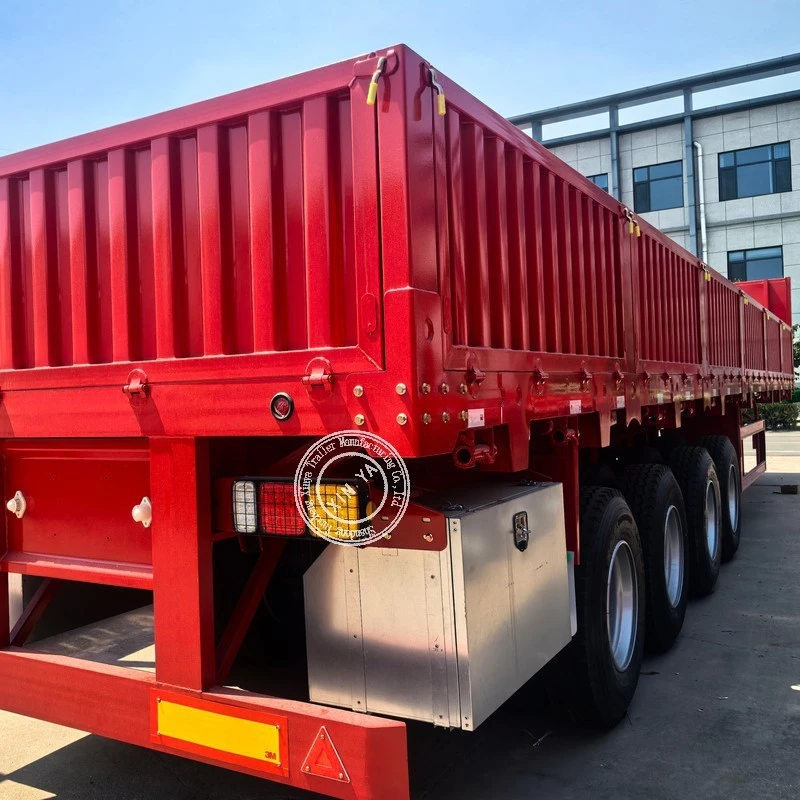
As a fence trailer supplier, we offer a wide range of high - quality fence trailers to meet your needs. Whether you're looking for a Detachable Fence Semi Trailer, a Universal Fence Semi - trailer, a Steel Fence Semi Trailer, a Cargo Fence Trailer, or a 12 m Fence Semi - trailer, we've got you covered. Our trailers are built to last and are designed to handle heavy loads with ease.

Contact Us for Purchase
If you're in the market for a new fence trailer or need any replacement parts, including axles, don't hesitate to reach out. We're here to help you find the perfect trailer for your needs and provide you with top - notch customer service. Whether you're a professional hauler or just need a trailer for occasional use, we can offer you the right solution. Contact us today to start the purchasing process and let's get you on the road with a reliable fence trailer.
References
- "Trailer Maintenance and Repair Handbook" by John Doe
- Online resources from reputable trailer manufacturers and repair guides.