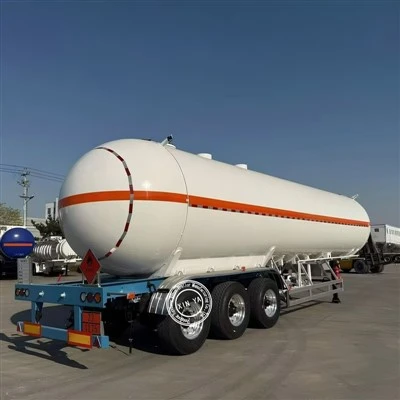
Hey there! As a supplier of LPG Gas Tanker Trailers, I often get asked about the parking regulations for these specialized vehicles. It's a crucial topic, not just for safety but also for legal compliance. So, let's dive right in and explore what you need to know.
First off, let's understand what an LPG Gas Tanker Trailer is. These trailers are designed to transport liquefied petroleum gas (LPG), which is a highly flammable and potentially dangerous substance. That's why there are strict regulations in place regarding their parking.
General Parking Rules
One of the most fundamental rules is that LPG Gas Tanker Trailers should never be parked in areas where there's a high risk of ignition. This means staying away from open flames, electrical equipment that could spark, and areas with high traffic where there's a greater chance of a collision. For example, you can't park these trailers near a gas station's pumps or a factory with heavy machinery that might generate sparks.
Another important rule is to park in designated areas. Many industrial parks, ports, and transportation hubs have specific spots set aside for the parking of hazardous material carriers like LPG Gas Tanker Trailers. These areas are usually well - ventilated to prevent the accumulation of gas vapors, and they're also equipped with safety features like fire suppression systems.
Distance Requirements
When it comes to parking near buildings and public areas, there are specific distance requirements. In general, an LPG Gas Tanker Trailer should be parked at least a certain distance away from residential buildings, schools, hospitals, and other places where there are a lot of people. This distance can vary depending on the local regulations and the size of the tanker. For instance, in some areas, the minimum distance might be 50 meters from a residential building.
Also, the tanker should be parked at a safe distance from other vehicles. This reduces the risk of a chain - reaction accident if there were to be a problem with the LPG Tanker Trailer. A good rule of thumb is to keep at least a few meters of clear space between the tanker and other vehicles.
Security and Monitoring
Parking an LPG Gas Tanker Trailer also involves security and monitoring. The trailer should be locked and secured to prevent unauthorized access. In some cases, security guards might be required to monitor the parked tanker, especially if it's parked overnight or for an extended period.
There should also be a system in place to monitor the condition of the tanker, such as checking for leaks or pressure changes. Modern LPG Gas Tanker Trailers are often equipped with sensors that can alert operators if there's a problem.
Documentation and Signage
When parking an LPG Gas Tanker Trailer, it's essential to have all the necessary documentation on hand. This includes the vehicle's registration, insurance, and a manifest of the LPG being transported. The manifest should detail the quantity, quality, and destination of the gas.
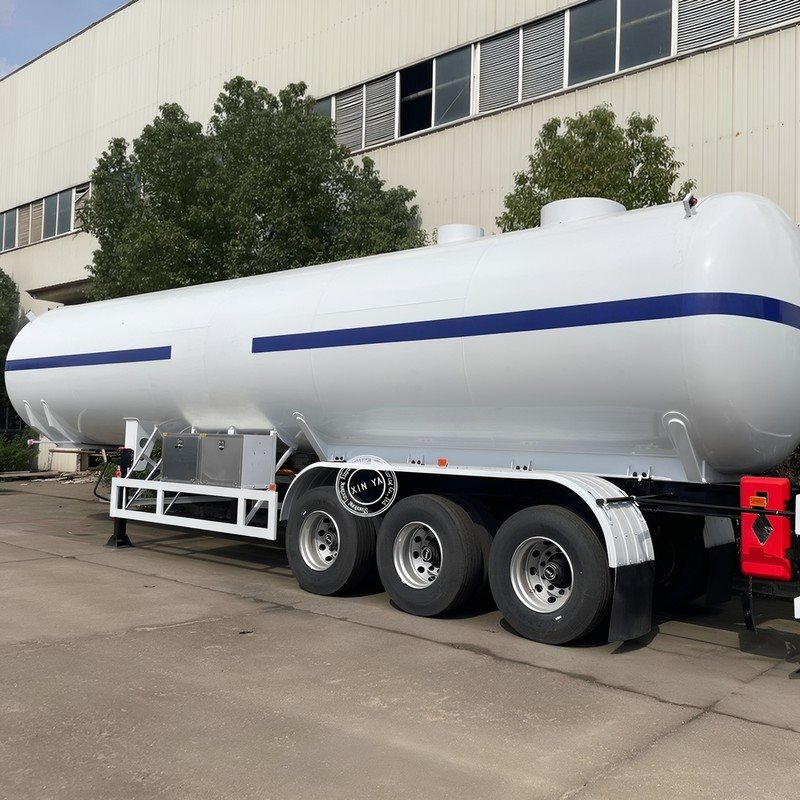
Signage is also crucial. The tanker should have clearly visible signs indicating that it's carrying LPG. These signs help emergency responders and the public to be aware of the potential danger.
Environmental Considerations
Parking regulations also take into account environmental factors. The trailer should be parked on a surface that can contain any potential leaks. Gravel or concrete surfaces are often preferred over grass or dirt, as they're less likely to soak up the gas and cause environmental damage.
In addition, parking should be done in an area where there's no risk of gas seeping into water sources, such as rivers or groundwater.

Local and International Regulations
It's important to note that parking regulations can vary from one region to another. Local authorities may have their own set of rules, and it's the responsibility of the driver and the company to be aware of and comply with these regulations.
On an international level, there are also standards and guidelines set by organizations like the United Nations and the International Maritime Organization (IMO) for the transportation and parking of hazardous materials. These standards help to ensure a consistent level of safety across different countries.
Importance of Compliance
Complying with parking regulations for LPG Gas Tanker Trailers is not just about following the law. It's also about protecting the safety of the public, the environment, and the driver and crew. A single mistake, such as parking in a prohibited area, can lead to a serious accident, causing injury, property damage, and environmental disasters.
At our company, we take these regulations very seriously. We ensure that all our LPG Gas Tanker Trailer are designed and built to meet the highest safety standards, and we provide our customers with detailed information about the parking and operation of these trailers.
We also offer LPG Tank Semi Trailer that are known for their reliability and safety features. Our trailers are equipped with advanced technology to monitor and control the transportation of LPG, reducing the risk of accidents.
If you're in the market for an LPG Gas Tanker Trailer or have any questions about our products, don't hesitate to reach out to us. Our team of experts is always ready to answer your questions and help you find the right trailer for your needs. We can discuss the features of our trailers, the parking regulations, and any other concerns you might have. So, let's start a conversation and see how we can work together to ensure the safe and efficient transportation of LPG.
References
- Department of Transportation (DOT) regulations on hazardous materials transportation.
- International Maritime Organization (IMO) guidelines for the transport of dangerous goods.
- Local fire and safety codes for the storage and parking of LPG.