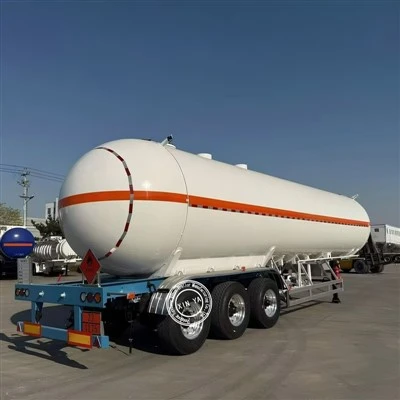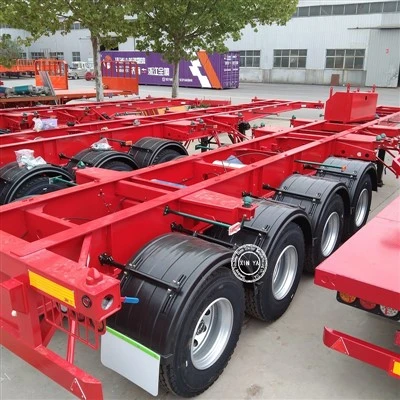
As a supplier of low loader semi - trailers, I understand the importance of proper maintenance and adjustment of these vehicles. One crucial aspect is the adjustment of the fifth - wheel on a low loader semi - trailer. In this blog, I'll share some comprehensive steps and tips on how to adjust the fifth - wheel effectively.
Understanding the Fifth - Wheel
The fifth - wheel is a coupling device that connects the tractor unit to the semi - trailer. It allows for articulation and smooth movement between the two parts of the vehicle combination. A well - adjusted fifth - wheel ensures safe and efficient operation of the low loader semi - trailer.
Pre - adjustment Checks
Before starting the adjustment process, it's essential to conduct a series of pre - adjustment checks. First, inspect the fifth - wheel for any signs of damage, such as cracks, excessive wear, or loose components. Check the locking mechanism to ensure it engages and disengages properly. Also, examine the mounting bolts to make sure they are tightened to the manufacturer's specifications.
Another important pre - check is to measure the height of the fifth - wheel. The height should be within the recommended range for the specific low loader semi - trailer and tractor combination. This can be done using a tape measure or a height gauge. If the height is incorrect, it can lead to uneven weight distribution and potential handling issues.
Adjusting the Fifth - Wheel Height
The height of the fifth - wheel is a critical factor in ensuring proper coupling and weight distribution. To adjust the height, you'll need to access the fifth - wheel mounting brackets. Most fifth - wheels have adjustable mounting holes or slots that allow for height adjustment.
If the fifth - wheel is too high, you can lower it by loosening the mounting bolts and moving the fifth - wheel down to the desired position. Make sure to align the holes in the fifth - wheel with the mounting brackets before tightening the bolts. On the other hand, if the fifth - wheel is too low, you can raise it in a similar manner.
It's important to note that when adjusting the height, you should refer to the manufacturer's guidelines. Different low loader semi - trailers and tractors may have specific height requirements. For example, a Gooseneck Low Loader Trailer may have different height specifications compared to a Heavy Low Loader Semi Trailer.
Adjusting the Fifth - Wheel Tilt
In addition to height adjustment, the tilt of the fifth - wheel may also need to be adjusted. The tilt affects the angle at which the trailer is coupled to the tractor. A proper tilt ensures that the trailer is level when loaded and unloaded, which is crucial for safe operation.
To adjust the tilt, you'll typically need to access the tilt adjustment mechanism. This may involve adjusting bolts or shims. Start by loosening the adjustment bolts and then use a level to determine the correct tilt angle. Slowly adjust the tilt until the trailer is level. Once the correct tilt is achieved, tighten the adjustment bolts.
Adjusting the Fifth - Wheel Locking Mechanism
The locking mechanism of the fifth - wheel is responsible for securely holding the trailer to the tractor. It's important to ensure that the locking mechanism is properly adjusted. First, check the locking jaws to make sure they are clean and free of debris. Lubricate the jaws if necessary to ensure smooth operation.
Next, adjust the locking force. This can usually be done by adjusting the tension on the locking springs or the locking pins. The locking force should be sufficient to hold the trailer securely, but not so tight that it becomes difficult to engage or disengage the fifth - wheel.
Testing the Adjusted Fifth - Wheel
After making the necessary adjustments, it's crucial to test the fifth - wheel. First, couple the low loader semi - trailer to the tractor. Check the coupling to make sure it is secure and that there is no excessive play. Then, perform a series of maneuvers, such as turning, braking, and accelerating, to ensure that the fifth - wheel functions properly.
If you notice any issues during the test, such as unusual noises, vibrations, or difficulty in maneuvering, stop immediately and re - check the adjustments. It's better to address any problems before hitting the road to ensure the safety of the vehicle and its cargo.

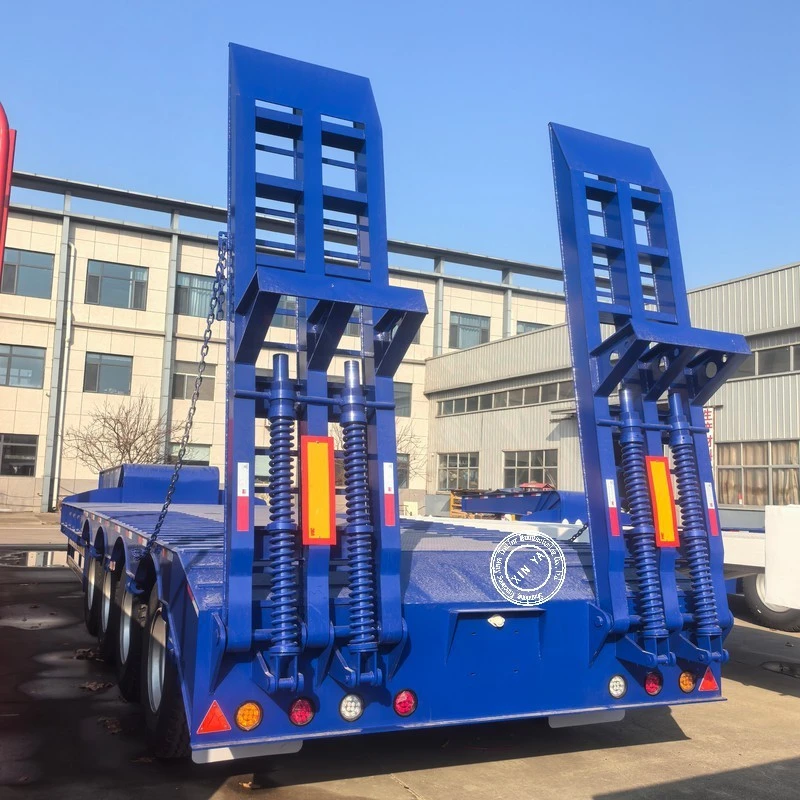
Importance of Regular Maintenance
Adjusting the fifth - wheel is not a one - time task. Regular maintenance is essential to keep the fifth - wheel in optimal condition. This includes periodic inspections, lubrication, and re - adjustment as needed.
Regular inspections can help detect any early signs of wear or damage. Lubricating the fifth - wheel components can reduce friction and prevent premature wear. And re - adjusting the fifth - wheel can ensure that it continues to function properly over time.
Conclusion
Proper adjustment of the fifth - wheel on a low loader semi - trailer is crucial for safe and efficient operation. By following the steps outlined in this blog, you can ensure that your fifth - wheel is adjusted correctly. Whether you own a Gooseneck Low Loader Trailer, a Heavy Low Loader Semi Trailer, or a 40 Tons Low Loader Semi Trailer, these adjustment techniques apply.
If you're in the market for a high - quality low loader semi - trailer or need further advice on fifth - wheel adjustment and maintenance, don't hesitate to contact us. We're here to help you make the best choices for your transportation needs.
References
- "Semi - Trailer Maintenance Manual" by a leading semi - trailer manufacturer.
- "Fifth - Wheel Adjustment Guidelines" provided by industry associations.