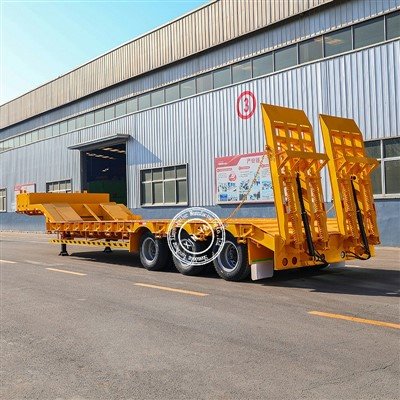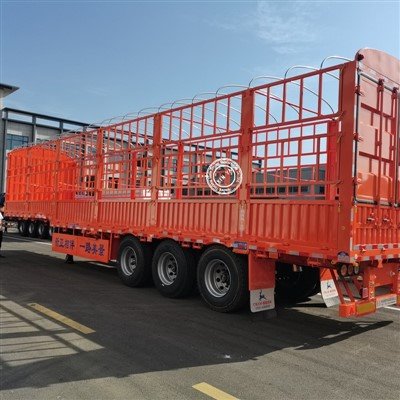
Installing a toolbox on a flatbed semi - trailer can significantly enhance its functionality and organization. As a flatbed semi - trailer supplier, I understand the importance of this task and am here to guide you through the process.
Understanding the Need for a Toolbox on a Flatbed Semi - Trailer
Before we dive into the installation process, let's briefly discuss why a toolbox is essential for a flatbed semi - trailer. A flatbed semi - trailer is often used for transporting various goods, and having a dedicated space for tools is crucial. It helps in keeping essential tools organized, easily accessible, and protected from the elements. Whether it's for on - the - road repairs or quick adjustments at the loading or unloading site, a well - installed toolbox can save time and improve efficiency.
Selecting the Right Toolbox
The first step in installing a toolbox on a flatbed semi - trailer is to choose the right one. Consider the following factors:
- Size: The size of the toolbox should be appropriate for the number and size of tools you plan to store. A larger flatbed semi - trailer can accommodate a bigger toolbox, but make sure it doesn't take up too much valuable cargo space.
- Material: Toolboxes are commonly made of steel, aluminum, or plastic. Steel toolboxes are durable and offer excellent protection, but they are heavier. Aluminum toolboxes are lightweight and corrosion - resistant, making them a popular choice. Plastic toolboxes are lightweight and affordable but may not be as sturdy as metal ones.
- Design: Look for a toolbox with a design that suits your needs. Some toolboxes have multiple compartments, which can help in better organization. Others may have lockable lids for added security.
Preparing the Flatbed Semi - Trailer
Once you have selected the right toolbox, it's time to prepare the flatbed semi - trailer for installation.
- Clean the Installation Area: Thoroughly clean the area on the flatbed where you plan to install the toolbox. Remove any dirt, debris, or rust. This will ensure a clean surface for a secure installation.
- Mark the Location: Use a measuring tape and a marker to mark the exact location where the toolbox will be installed. Make sure the location is easily accessible and doesn't interfere with the movement of cargo or other equipment on the flatbed. Consider factors such as the weight distribution of the toolbox and its contents to avoid any imbalance during transportation.
Installation Steps
Step 1: Mounting Hardware Selection
Choose appropriate mounting hardware based on the material of the toolbox and the flatbed. For steel toolboxes on a steel flatbed, bolts and nuts are a common choice. If you are using an aluminum toolbox, consider using corrosion - resistant hardware to prevent rusting.
Step 2: Drilling Holes
Carefully drill holes in the marked locations on the flatbed and the bottom of the toolbox. Make sure the holes are the right size for the mounting hardware. Use a drill bit that is slightly smaller than the diameter of the bolts to ensure a tight fit.
Step 3: Inserting Bolts
Insert the bolts through the holes in the flatbed and the toolbox. If the toolbox has pre - drilled holes, align them with the holes on the flatbed. Ensure that the bolts are inserted evenly and straight to avoid any misalignment.
Step 4: Tightening Nuts
Once the bolts are inserted, place the nuts on the bolts and tighten them using a wrench. Make sure the nuts are tightened securely, but be careful not to over - tighten them, as this could damage the toolbox or the flatbed.
Step 5: Testing the Installation
After tightening the nuts, give the toolbox a gentle shake to check its stability. If it feels loose, re - tighten the nuts or check for any misaligned bolts. Ensure that the toolbox is firmly attached to the flatbed and can withstand normal vibrations and movements during transportation.
Additional Considerations
Weather Protection
To protect the tools inside the toolbox from the weather, you may want to add weatherstripping around the lid of the toolbox. This will prevent water, dust, and debris from entering the toolbox.
Security
Consider adding a lock to the toolbox for added security. There are various types of locks available, such as padlocks and combination locks. Choose a lock that is strong and reliable to protect your valuable tools.
Our Flatbed Semi - Trailer Offerings
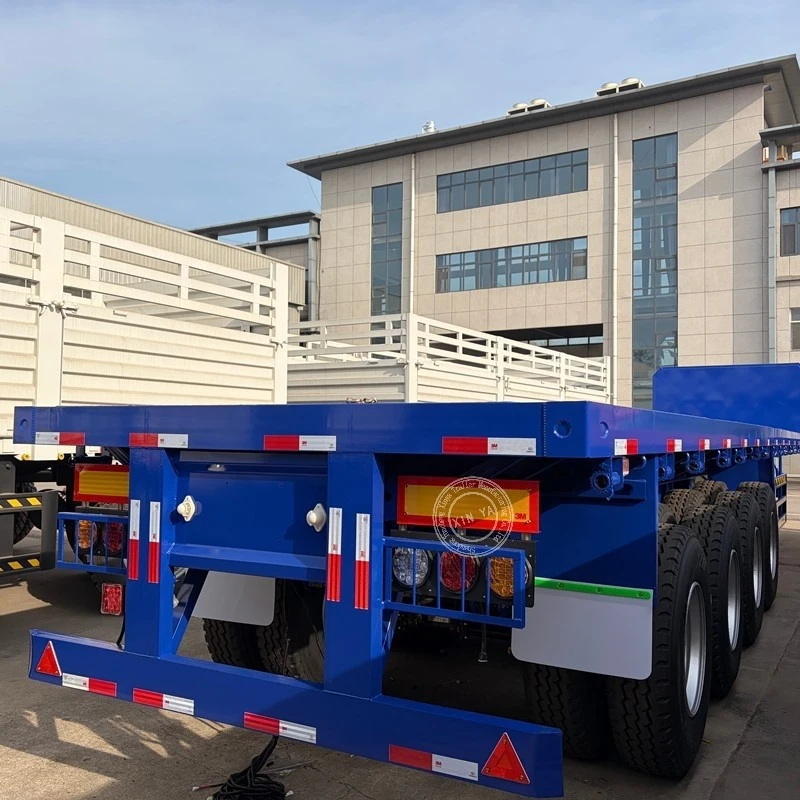
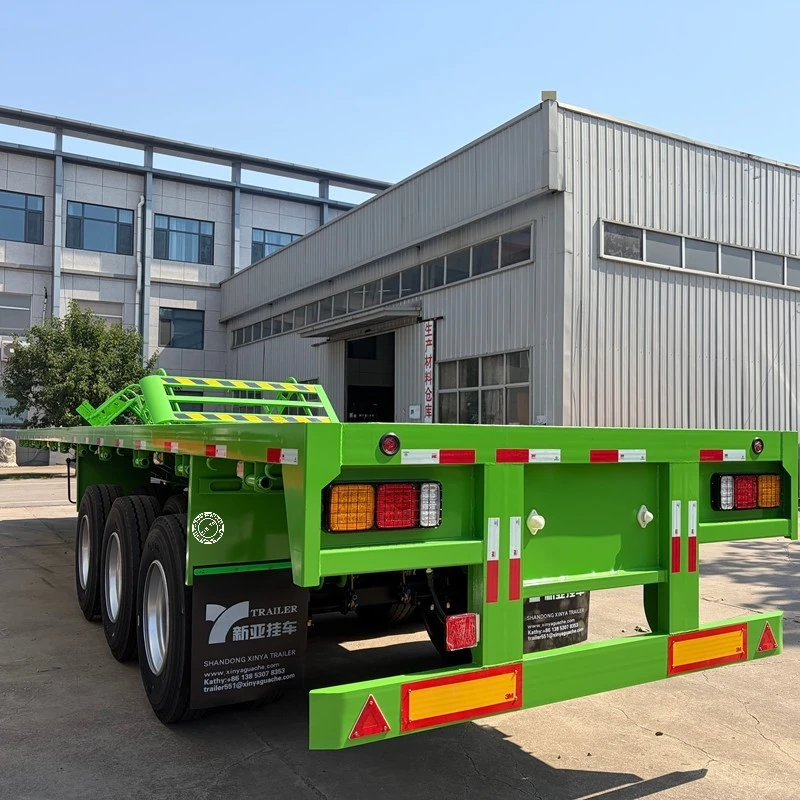
As a flatbed semi - trailer supplier, we offer a wide range of high - quality flatbed semi - trailers. Check out our Flatbed Semi Trailer For Container Transport, which is designed specifically for container transportation. Our 40ft Container Flatbed Semi Trailer provides ample space for transporting 40 - foot containers. The Standard Flatdeck Semi Trailer is a versatile option for various transportation needs. We also have the 60ton Flatbed Trailer for heavy - duty transportation, and the 20/40ft Flatbed Semi - trailer for more flexible container transportation.
Contact Us for Procurement
If you are interested in purchasing a flatbed semi - trailer or have any questions about toolbox installation, feel free to contact us for procurement and detailed discussions. Our team of experts is ready to assist you in finding the perfect flatbed semi - trailer for your needs.
References
- "Trailer Maintenance and Installation Guide" - Industry - specific handbook on trailer upkeep and accessory installation.
- "Toolbox Selection and Usage" - Publication focusing on choosing the right toolbox for different applications.