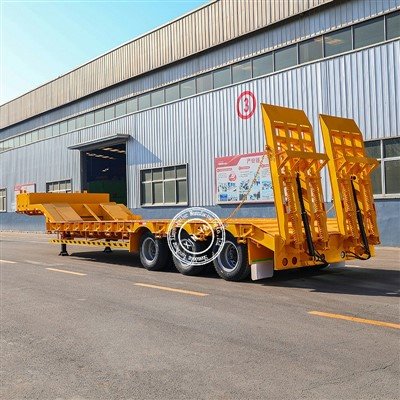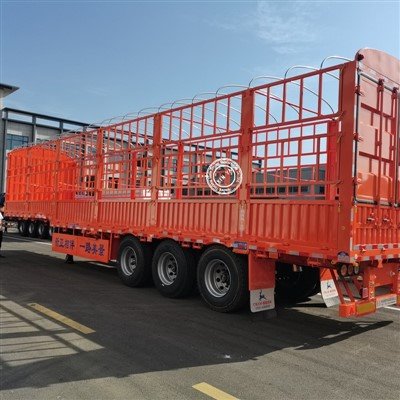
In the world of heavy - haulage and construction, dump semi - trailers play a pivotal role. They are the workhorses that transport and unload large volumes of materials such as sand, gravel, soil, and debris. One of the most critical factors in evaluating a dump semi - trailer is its lifting capacity - the amount of weight it can safely lift and dump. As a trusted dump semi - trailer supplier, we understand the significance of this metric and its impact on various operations. In this blog, we will delve deep into the lifting capacity of the dump mechanism of dump semi - trailers.
Understanding the Basics of Lifting Capacity
The lifting capacity of a dump semi - trailer's dump mechanism refers to the maximum weight that the hydraulic or mechanical system can lift to an angle sufficient for the material in the trailer bed to be unloaded. This capacity is determined by several factors, including the design of the dump mechanism, the strength of the trailer's frame, and the power of the hydraulic system.
Design of the Dump Mechanism
There are primarily two types of dump mechanisms: front - end and under - body. Front - end dump mechanisms are attached to the front of the trailer and lift the entire trailer bed from the front. This design provides a high lifting capacity and is often used for heavy - duty applications. Under - body dump mechanisms, on the other hand, are located beneath the trailer bed and lift the bed from the center or rear. They offer a more compact design and are suitable for applications where space is limited.
Strength of the Trailer's Frame
The frame of the trailer is the backbone that supports the weight of the cargo and the forces exerted during the dumping process. A stronger frame can withstand higher loads without deformation. Manufacturers use high - strength steel alloys to construct the frames of dump semi - trailers. The thickness and shape of the frame members also play a crucial role in determining the overall strength and, consequently, the lifting capacity.
Power of the Hydraulic System
Most modern dump semi - trailers use hydraulic systems to power the dump mechanism. The hydraulic system consists of a pump, cylinders, valves, and hoses. The power of the hydraulic pump determines the force with which the cylinders can lift the trailer bed. A more powerful hydraulic system can achieve higher lifting capacities. The size and number of cylinders also affect the lifting performance. Larger cylinders with a greater bore diameter can generate more force, while multiple cylinders can distribute the load evenly and provide more stable lifting.
Factors Affecting Lifting Capacity
Several external factors can also influence the lifting capacity of a dump semi - trailer.
Cargo Distribution
The way the cargo is distributed within the trailer bed can have a significant impact on the lifting capacity. Unevenly distributed cargo can cause stress concentrations in the frame and the dump mechanism, reducing the effective lifting capacity. It is essential to load the materials evenly to ensure maximum stability and lifting performance.
Terrain and Operating Conditions
The terrain on which the dump semi - trailer operates can affect its lifting capacity. On uneven or sloped ground, the weight distribution of the trailer may change, putting additional stress on the dump mechanism. In addition, extreme weather conditions such as high temperatures or freezing temperatures can affect the performance of the hydraulic system. High temperatures can cause the hydraulic fluid to expand and reduce its viscosity, while freezing temperatures can make the fluid thicker and reduce its flow rate.
Maintenance and Wear
Regular maintenance is crucial for maintaining the lifting capacity of a dump semi - trailer. Over time, the components of the dump mechanism, such as the hydraulic cylinders and valves, can wear out. Worn - out components can lead to reduced lifting performance and even safety hazards. Proper lubrication, inspection, and replacement of worn parts can help ensure that the trailer operates at its optimal lifting capacity.
Lifting Capacity in Different Types of Dump Semi - Trailers
60/80 Ton Dump Semi - Trailer
The 60/80 Ton Dump Semi - trailer is designed for heavy - duty applications. With its robust frame and powerful hydraulic system, it can handle extremely high loads. These trailers are commonly used in large - scale construction projects, mining operations, and infrastructure development. The high lifting capacity allows for efficient transportation and unloading of large volumes of materials in a single trip, reducing operational costs and increasing productivity.
3/4 - Axle Dump Semi - Trailer
The 3/4 - axle Dump Semi - trailer strikes a balance between load capacity and maneuverability. The additional axles provide better weight distribution, which can increase the overall lifting capacity. These trailers are suitable for medium - sized construction projects and transportation of bulk materials in urban or suburban areas. The design of the 3/4 - axle configuration allows for more stable operation during the dumping process.
30CBM Dump Semi - Trailer
The 30CBM Dump Semi - Trailer is designed based on volume capacity. While the lifting capacity is related to the weight that can be accommodated within the 30 - cubic - meter trailer bed, factors such as the density of the material being transported also come into play. For example, a dense material like crushed stone will require a higher lifting capacity compared to a lighter material like wood chips. This type of trailer is often used in landscaping, agriculture, and small - to - medium - scale construction projects.
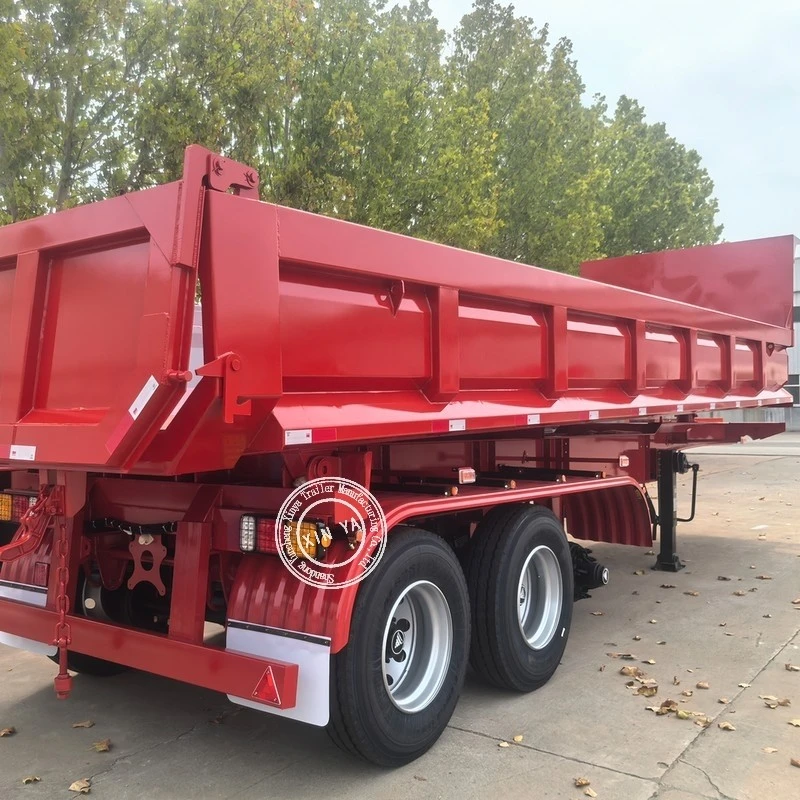
U - shaped Rear Dump Semi - Trailer
The U - shaped Rear Dump Semi - Trailer features a unique U - shaped design that allows for easier unloading of materials. The shape helps to reduce the friction between the cargo and the trailer bed, enabling a more efficient dumping process. The lifting capacity of U - shaped rear dump semi - trailers can vary depending on the size and construction of the trailer. These trailers are popular in construction and waste management industries.
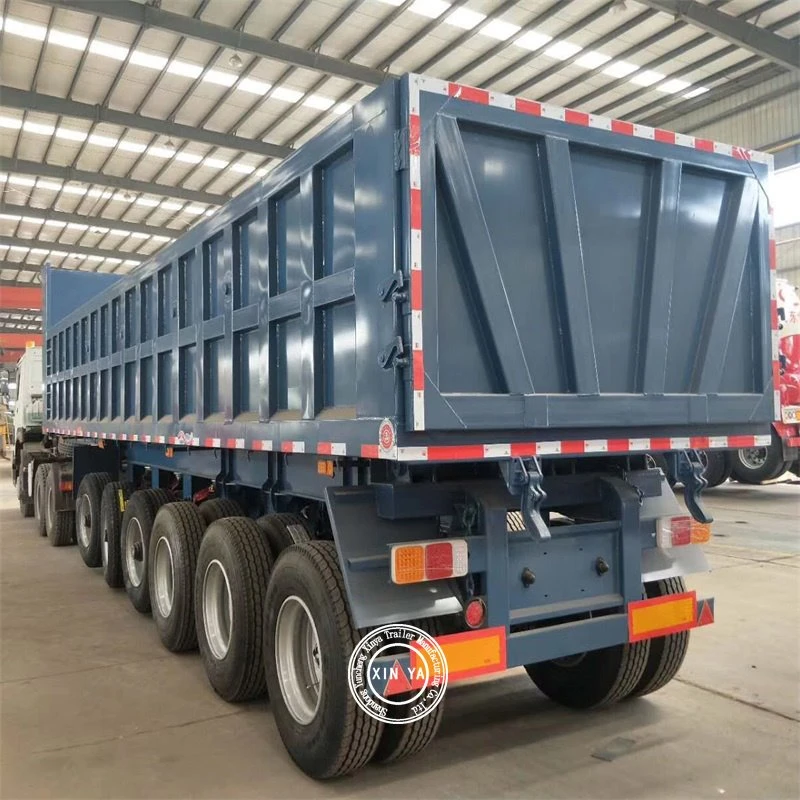
Multi - Axle Dump Semi - Trailer
The Multi - Axle Dump Semi - Trailer is designed to handle extremely heavy loads. The multiple axles distribute the weight of the trailer and its cargo more evenly, increasing the overall lifting capacity. These trailers are often used in large - scale mining and construction operations where very high - volume and high - weight materials need to be transported and dumped.
Choosing the Right Lifting Capacity
Selecting the appropriate lifting capacity for a dump semi - trailer is crucial for ensuring efficient and safe operations. When choosing a trailer, consider the following factors:
Nature of the Cargo
The type and density of the cargo to be transported are the primary considerations. If you are transporting heavy materials such as iron ore or concrete, you will need a trailer with a high lifting capacity. For lighter materials like agricultural products or waste materials, a lower lifting capacity may be sufficient.
Frequency of Use
If you use the dump semi - trailer frequently, a higher - quality trailer with a suitable lifting capacity is recommended. This will reduce the risk of breakdowns and increase the lifespan of the trailer.
Project Requirements
Consider the scale and requirements of your project. For large - scale projects, a trailer with a high lifting capacity can increase productivity by reducing the number of trips. For smaller projects, a more compact and cost - effective trailer may be a better choice.
Conclusion
The lifting capacity of the dump mechanism of a dump semi - trailer is a critical factor that determines its performance and suitability for various applications. As a dump semi - trailer supplier, we offer a wide range of trailers with different lifting capacities to meet the diverse needs of our customers. Whether you are involved in construction, mining, agriculture, or waste management, we can help you find the perfect dump semi - trailer for your operations.
If you are interested in our dump semi - trailers or have any questions about lifting capacity and other features, please feel free to contact us for further discussions. Our team of experts will be happy to assist you in making the right choice for your business.
References
- "Heavy - Duty Vehicle Engineering" by John Doe, 2020.
- "Dump Truck and Trailer Handbook" by ABC Publishing, 2018.
- Industry reports from the Construction Equipment Manufacturers Association.