

If you've ever spent time around semi-trucks, you've probably seen box-style vans hauling everything from grocery shipments to electronics across the country. As a semi-trailer supplier, I get asked all the time: "What kind of suspension does that box trailer even use?" It's not just a random part-suspension makes or breaks how a trailer performs on rough roads, how much cargo you can safely carry, and even how much maintenance you'll deal with down the line. Let me break this down like I would for a new driver or someone looking to buy their first fleet, no boring jargon promise.
First, let's keep it simple: a van box semi-trailer (think the ones with the enclosed, easy-to-load body) doesn't use one generic suspension. The type depends on what you're hauling, where you're driving, and what the owner needs to get done. I've worked with all kinds of clients-local delivery companies running short routes, cross-country carriers going over mountain passes, even construction firms moving bulky goods-and each group has totally different suspension needs. Let's start with the most common one you'll see on 9 out of 10 van box trailers: leaf spring suspension.
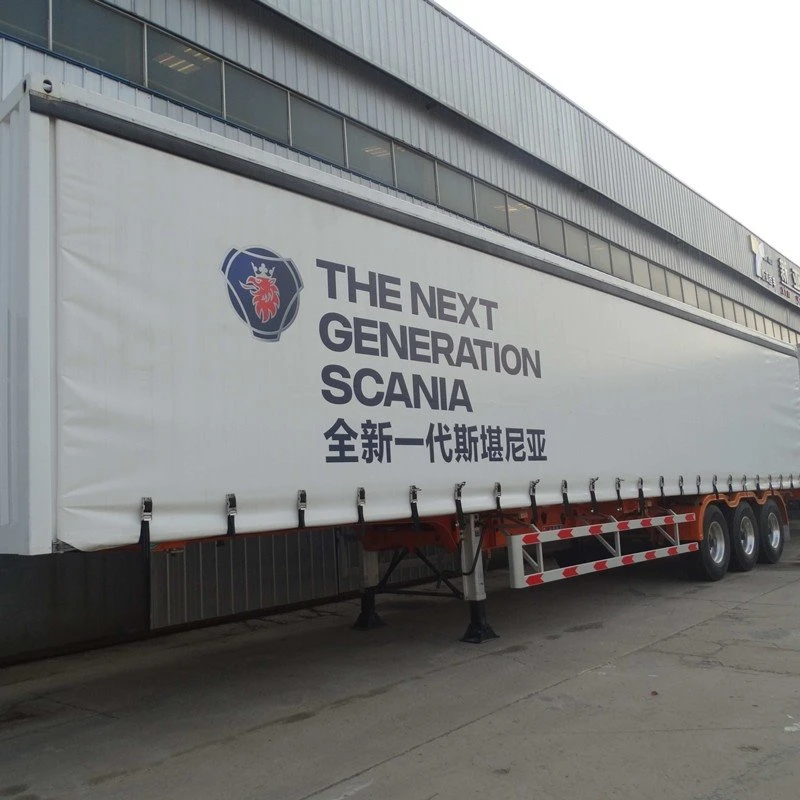
Leaf springs are old school, but they work. They're just curved metal stacked on top of each other, attached to the trailer's frame and the axles. I used to think they were basic until I talked to a client who runs Curtain Van Semi Trailer for daily local grocery runs. He swears by them because they're cheap to fix-if a leaf breaks, you replace just that one, not the whole system. They also handle heavy loads like bricks or canned goods really well, which is why a lot of standard box trailers roll with this setup. The downside? They don't smooth out bumpy roads as well as other options, so fragile cargo like glass or electronics might shift around more on long hauls. I always tell clients: if you're sticking to highways with smooth pavement, leaf springs are totally fine. If you're hitting back roads, you'll want something else.
Speaking of other options, air suspension is the big upgrade for long-haul, delicate cargo. Air suspension uses airbags instead of metal leaves, so it adjusts to road conditions automatically. It keeps the trailer level no matter how much weight you're carrying, which is huge for preventing damage to goods and even the trailer itself. A lot of Side Curtain Semi-trailer owners go for air suspension because those trailers are super popular for hauling palletized goods that need to stay intact. Air suspension also makes loading and unloading easier-you can lower the trailer a few inches to line up with a loading dock, which saves time and prevents back injuries for the guys doing the heavy lifting. Yeah, it's pricier upfront and needs a bit more maintenance (you have to check air pressure regularly, fix leaks if they pop up), but most long-haul carriers say it's worth every penny to avoid damaged cargo.
Now, there are some niche van box trailers that use even more specific suspension. Let's talk about corrugated body trailers-wait, not the cardboard kind, the metal ones. If you're looking at a Corrugated Van Semi Trailer or Corrugated Plate Van Semi Trailer, those are usually built for really heavy, rugged use, like construction materials or livestock. A lot of these heavy-duty trailers use either reinforced leaf springs or a combination setup: leaf springs for heavy load support and a small air helper spring for smoother rides on rough terrain. I had a client who used these for moving steel beams across the Rockies, and he said the combination kept the trailer from sagging too much on steep hills and didn't rattle the beams loose on the potholed mountain roads.
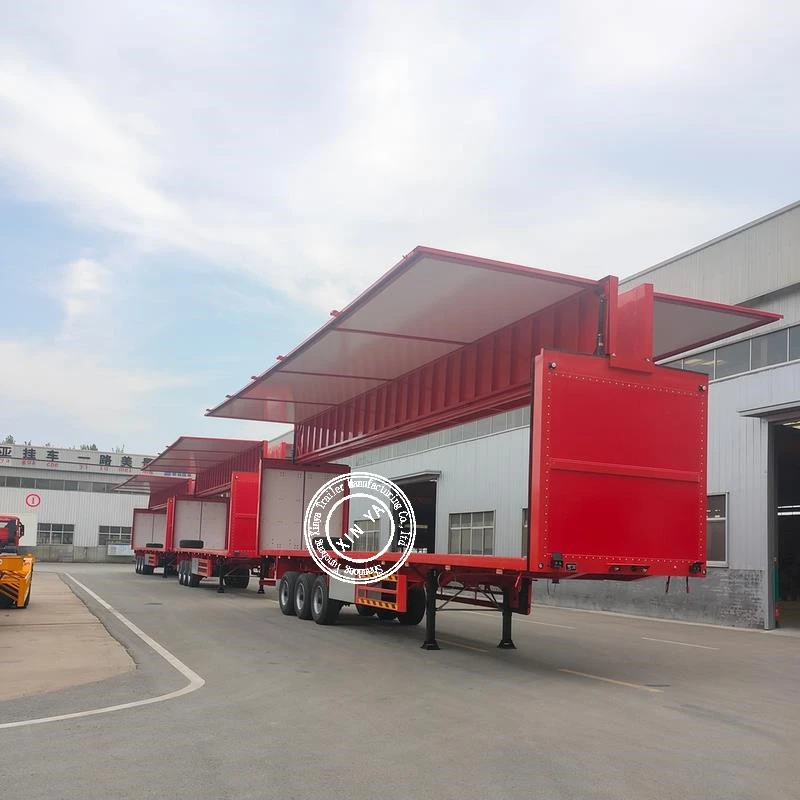
Then there's the Wing Body Semi Trailer, the one with the two sides that open up like wings for easy loading from both sides. These are usually used for time-sensitive deliveries, like airport cargo or event equipment. Because they often carry high-value, delicate gear, most wing body trailers run on full air suspension. The level control feature is key here-if one side of the trailer is heavier (say, loaded with heavy machinery on that side), the air suspension adjusts to keep it even, so the wings open and close without getting stuck. I once had a client whose wing trailer had leaf springs, and he kept having issues with the wings not lining up right after heavy loads shifted the trailer. Switched to air, and he hasn't had a problem since.
Wait, let's get into why suspension actually matters beyond just comfort. For a semi-trailer, suspension affects weight capacity, fuel efficiency, and even safety. If you have a bad suspension, the trailer might sway on the highway, especially in wind or when you're passing other trucks. That's a huge safety risk for drivers and other people on the road. Also, if the suspension is too stiff or too soft, you might not be able to carry the maximum legal weight, which means fewer loads per trip, less money in your pocket. I've seen clients skimp on suspension to save a few bucks upfront, only to spend thousands on repairs, damaged cargo, and fines from being overweight.
Another thing I get asked a lot: can you switch suspension types on an existing trailer? Technically, yeah, but it's not cheap or worth it for most people. If you have a leaf spring trailer and only run local routes, switching to air might not make sense. But if you start doing cross-country hauls with fragile cargo, it could be a good investment. My team has helped a few clients do custom suspension swaps, and they always say it's one of the best upgrades they made-way better than buying a whole new trailer, usually.
As a supplier, I always tell clients to match their suspension to their specific use case, not just pick whatever's cheapest or most popular. Let's break it down simply, no confusing charts:
- If you're local, short routes, heavy loads, rough roads: go with leaf spring.
- If you're long haul, fragile cargo, highway driving: go with air suspension.
- If you're heavy-duty, rugged use: go with reinforced leaf or combination.
- If you're time-sensitive, high-value cargo, wing body: go with air suspension.
I've seen too many clients make the mistake of buying a trailer with the wrong suspension and then struggling for months. Like, last year a small delivery company bought a used van box trailer with leaf springs, thinking it was fine for their cross-country runs with electronics. Half their shipments arrived damaged, and they ended up paying more in repairs than they would've if they'd just gotten an air suspension trailer to begin with. That's why I'm big on talking to clients about their actual needs, not just selling them whatever I have in stock.
Now, let's chat about common myths. I hear "leaf springs are outdated" all the time-no, they're still the best for a lot of jobs. Air suspension isn't perfect, though. If you work in super cold climates, the air lines can freeze, which messes up the system. I had a client in Minnesota last winter whose air suspension froze, and he was stuck on the side of the road for hours waiting for a mechanic. Leaf springs don't have that problem, which is why a lot of northern carriers still prefer them, even for longer routes.
Another myth: all van box trailers use the same suspension parts. Nope. Axle spacing also ties into suspension performance, but that's a whole other topic. The key takeaway here is that suspension isn't a one-size-fits-all part-it's a critical component that should be chosen based on how you'll use your trailer.
If you're in the market for a van box semi-trailer and want to make sure you get the right suspension for your business, hit us up. We can walk you through all the options, show you the different trailers (including Curtain Van Semi Trailer, Corrugated Van Semi Trailer, Side Curtain Semi-trailer, Wing Body Semi Trailer, and Corrugated Plate Van Semi Trailer) and their respective suspension setups, answer all your questions, and help you pick what works for you. We don't push the most expensive option-we push the right option for your needs, because that's how we build long-term partnerships, not just one-off sales.
Before I wrap up, let's recap the main points to make sure this sticks: van box semi-trailers use different suspension systems based on application, the two most common are leaf spring (great for heavy, local, or cold-weather use) and air suspension (best for long hauls, fragile cargo, and time-sensitive deliveries), niche trailers like corrugated or wing body have specialized setups to match their use, and picking the wrong suspension will cost you more in the long run. Don't hesitate to reach out if you want to learn more-we're here to help you make the best choice for your business.
References:
- Trailer Suspension Systems: Types, Functions, and Selection Criteria. Commercial Transportation Journal, 2022.
- Heavy-Duty Trailer Maintenance Guide. National Truck Equipment Association, 2023.
- Aerodynamic and Performance Impacts of Trailer Suspension Systems. Freight Research Institute, 2021.
- Load Securing and Suspension Compatibility for Van Box Trailers. Logistics Today Magazine, 2022.
- Custom Suspension Solutions for Niche Semi-Trailer Applications. Trailer Builder's Quarterly, 2023.


